Whether you are looking to upgrade a classic brick veneer home in Blacktown, modernise a property in Wetherill Park, or add value to a growing estate in Penrith, the Western Sydney property market is evolving rapidly.
Homeowners are no longer just looking for cosmetic updates; they want functional, high-end spaces that cater to multi-generational living and seamless outdoor integration.
As local Wetherill Park renovation specialists, we’ve seen a massive shift in what buyers and homeowners want. If you are planning a property upgrade, here are the top 5 Western Sydney home renovation trends dominating the market this year.
1. The Rise of the Multi-Generational Kitchen
Western Sydney is famous for its vibrant, family-oriented communities. Increasingly, households include extended family members, meaning the kitchen has to work twice as hard.
We are seeing a massive demand for oversized stone island benches that double as homework stations and breakfast bars, alongside butler’s pantries to keep the main cooking area clutter-free. When designing these spaces, focusing on durable, easy-to-clean materials like engineered stone and polyurethane cabinetry is key to surviving heavy daily use.
2. Micro-Spa Bathroom Sanctuaries
The days of the basic, purely functional bathroom are gone. Western Sydney homeowners are investing heavily in turning their master ensuites into private retreats.
- The Look: Large-format porcelain tiles (which make smaller rooms feel massive), frameless glass shower screens, and freestanding bathtub feature walls.
- The Tech: Brushed nickel or gunmetal tapware paired with LED backlit smart mirrors.
If you are looking to transform your daily routine, our team specialises in designing bespoke, luxury bathroom renovations that maximize both space and style.
3. Open-Plan Living & “Indoors-Out” Integration
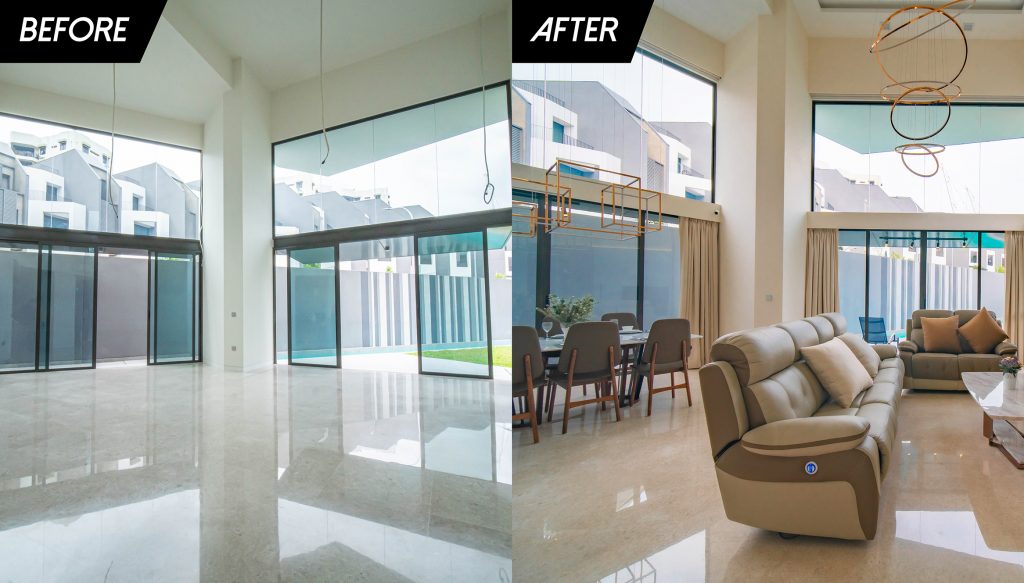
Older homes in Western Sydney often suffer from segmented, dark floor plans. One of the most common requests we receive is to knock down non-load-bearing walls to connect the kitchen, dining, and living areas into one sweeping space.
To take it a step further, installing stacker doors that open up completely to an alfresco dining area or pergola is the ultimate way to embrace the local lifestyle and make your home feel twice as large.
4. Statement Laundries Dual-Functioning as Mudrooms
With busy sports schedules and outdoor lifestyles, the humble laundry has received a major promotion. Western Sydney renovators are ditching the basic utility sink for custom-built cabinetry, integrated linen baskets, and dedicated hanging rails. Many larger families are converting a portion of their laundry into a “mudroom” zone near the back door—perfect for dropping school bags, muddy boots, and jackets before entering the main house.
5. Smart, Energy-Efficient Upgrades
With local summer temperatures regularly climbing, energy efficiency is a massive priority for Westies. Smart home integration is taking center stage in modern complete home transformations. From zone-controlled smart ducted air conditioning to LED lighting layouts and water-saving matte fixtures in the bathroom, thinking ahead about your utility bills during a renovation will pay massive dividends down the road.
Ready to Transform Your Western Sydney Home?
A successful renovation relies entirely on local expertise, a trusted team, and strict adherence to Australian building standards.
If you’re ready to add real equity to your property and love the space you live in, we can help bring your vision to life. Contact our team for a free site measure and quote today, or drop by to chat with your local building experts.